
Paul Nordberg
My activities & loves
Paul Nordberg
My activities & loves

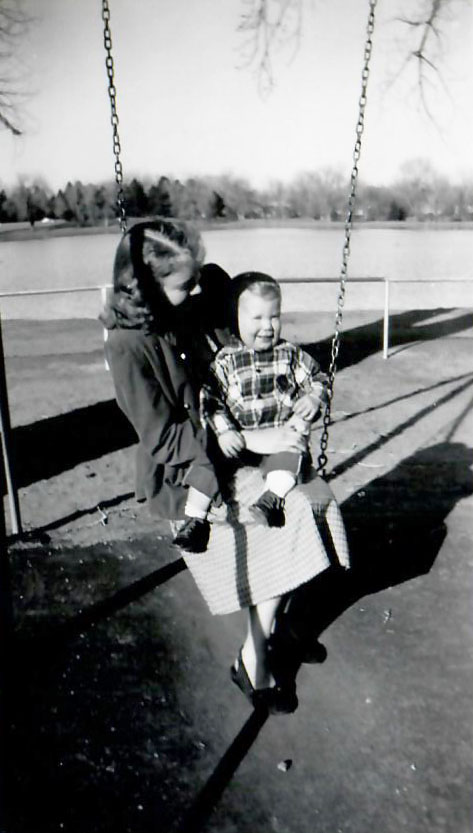
Today would have been my mother's 100th birthday, if she were still alive.
I have left her website  up because it provides a factual (though empathetic!) journal of daily life in end-stage dementia that I can find nowhere else. It brings streaming tears to my eyes to reread it, a dozen years later. The meanest of God's creatures should not have to undergo years of life like that. But it is of her whole life that I think, not just its end.
Her influence on my life remains strong and visible in my daily activities, as her paintings visibly surround me in my home.
On the one hand, I avoid using this website to add one more opinion on highly topical, controversial matters. On the other hand, everybody else has views on AI, so why shouldn't I?
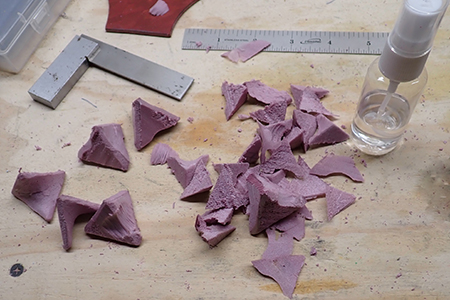
I have found various kinds of AI very useful in daily life and special needs. The level of driving assistance in my latest car is quite impressive. – I carve styrofoam in models for my art work, but have struggled for years with the problem of the chips becoming sticky with static electricity. Recently, a Google AI search came up with a solution that offers instant gratification at virtually no expense: mist the surface with isopropyl (rubbing) alcohol. – On a very different front, Google satisfied my curiosity as to whether Arthur Schopenhauer was familiar with the work of Giambattista Vico: no, it responded, but offered a very intelligent comparison of the epistemology of the two philosophers.
These are trivial examples compared to the massive scale of "frontier" AI, which has barely imaginable potential for cataclysmic evil and supernaturally beneficial uses. As for the former, I hope that early events will be of an instructive scale, just as mild burns convince us to keep our distance from fire. Mankind has invented the hydrogen bomb, but found in contemporary warfare that producing cheap drones can be more advantageous and practical than mutual assured destruction.
Perhaps evolution will be toward specialization, rather than omniscience and omnipotence? – We don't expect that an obstetrican will be good at heart surgery, let alone corporate law or auto repair.
What worries me more than anything else is the scale of the efforts involved. We already have more than enough imbalance of wealth and power, and AI development will only worsen that.
Meanwhile, it's an ill wind that blows nobody good, and I'm happy to be able to carve my styrofoam models without the chips sticking to me.
As humans, we are apt to blame our troubles on outside factors – "foreign" influences. Most often, I feel, that approach rises from invincible ignorance and xenophobia. But it's not always wrong. And sometimes we ourselves create our troubles by rearranging nature, moving things to places where they don't belong.
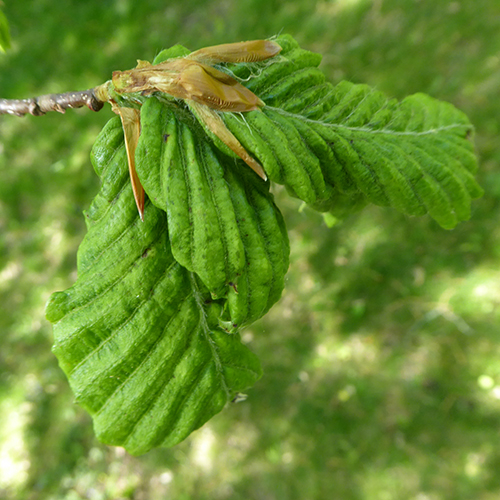
I planted American beech trees in my yard several years ago, choosing them because they were a species native to this area and at the top of disease resistance lists. Some time after that, beech leaf disease, credibly thought to be of Asian origin, started moving across New England. It is caused by a subspecies of nematode, a microscopic worm, related to species found in Japan. The disease is highly fatal, devastating vast areas.
It was depressing for me to see it in my yard a year ago, the more so because at that time I could not find a treatment. As AI has burst onto the scene, I found very optimistic reports about potassium phosphite, commonly used in agriculture. So, I am trying it out, spraying the first of two applications on its lower bark. It will take at least another year before its effects become visible in spring budding, and something like five years for things to stabilize. Of course that's not guaranteed, but dum spiro, spero.
What is feasible for a homeowner with a few trees won't work for a forest, however. A number of classic species in this area have been devastated by imported pestilences: American elm ("Dutch" elm disease, probably from Asia, studied first in Holland), hemlock (the woolly adelgid, from Japan), American chestnut (a fungal blight from Japan).
Curiously, all of these diseases come from single-species parasites of single species. That leaves some hope for the situation: if there is another parasite that preys only on the beech leaf nematode, perhaps it could be introduced and spread. That approach has had great success with the winter moth, which had devastated much of this area a few years ago, but now seems totally gone.
I have a curious mind. I have been a news junkie (and junkie of other things) for most of my life.
In the last few years, I have tuned out almost completely. Partly that is because the political events, at home and abroad, have been massively disheartening. Partly it is because the nature of news communication has changed so drastically.
I don't need – or want – breathless liveblogs via X, or facile opinions on long-controversial, complex issues. I want thoughtful, sorted-out presentations of events of importance. I've tried the New York Times, The Economist and The Wall Street Journal, and found that these bastions have all succumbed to the temptations of constant trendiness and frenesis.
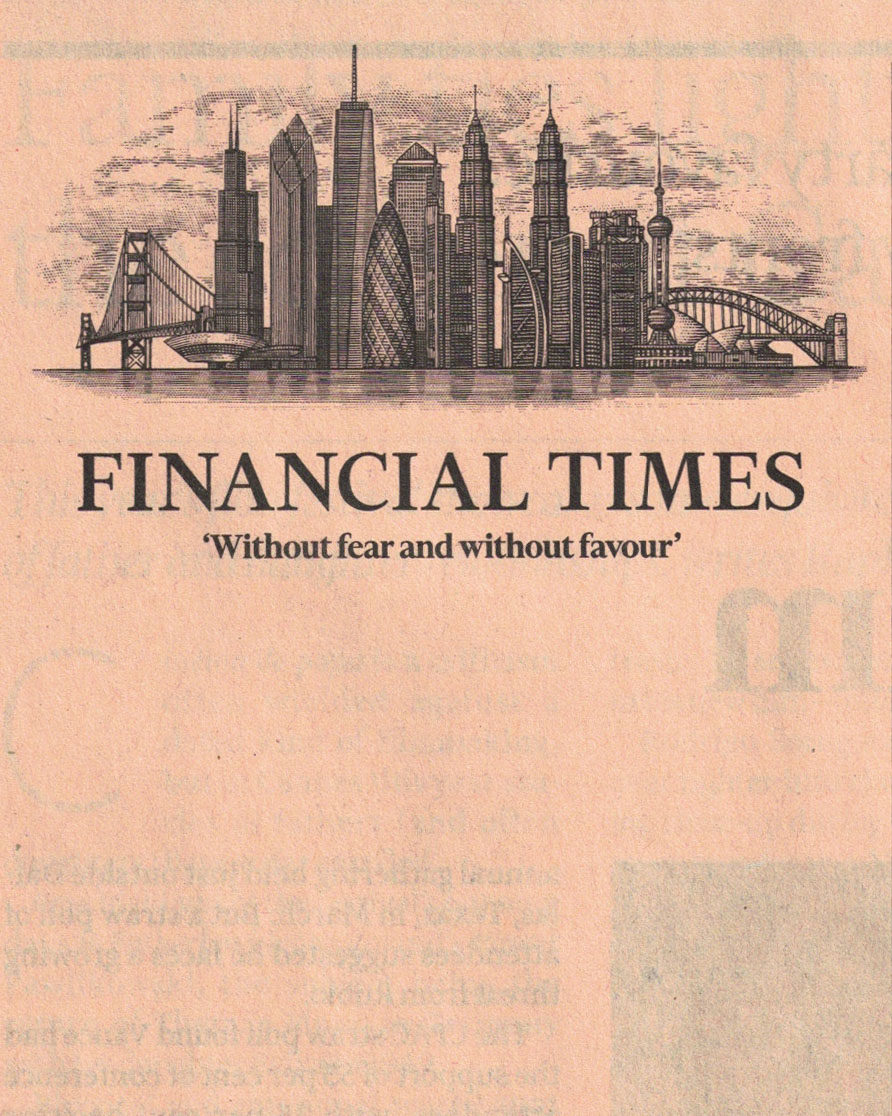
Recently, I have tried home delivery of the Financial Times and so far have been very happy with it. I have no particular interest in money-making or business, but I can pass over coverage of those and be left with calm, well-digested reports about signficant events and trends in the world. By deliberate product policy, the FT restricts electronic access in this package to what's included in the paper version – meaning yesterday's news. I am happier that way. I have no need for instant access. If what's in the news cycle today doesn't last until tomorrow, it probably isn't important. And the sixteen pages of print provides plenty as a daily helping.
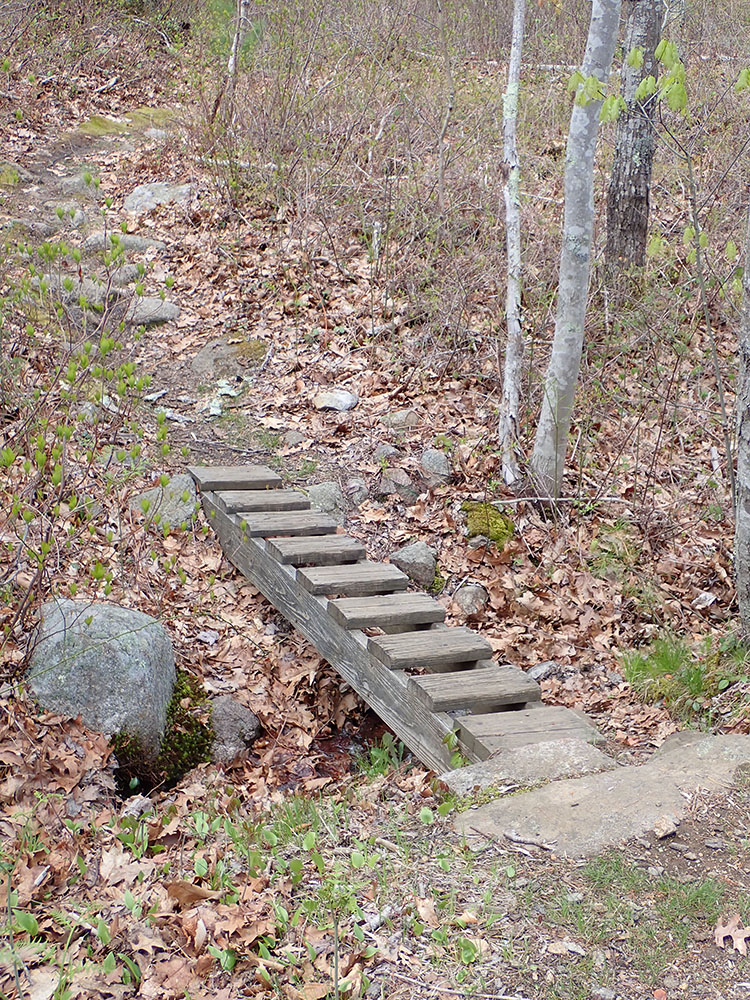
I love to wander. That is a basic human activity, a theme of countless tales from the Odyssey to Huckleberry Finn.
Over the last year, my searches for lichens have taken me to many new places, none remote, but dozens of sites where I had never been before – and I have barely scratched the surface. Unlike trails along the Mediterranean Ocean or the Mississippi River, traipses on land create beaten paths. It takes a village, first for common folk to establish and frequent them, then for the village elders – here, the various conservation trusts – to coordinate larger efforts, as when a durable bridge is needed or a storm drops an enormous tree across the trail.
It is a wonder and a marvel that there are such vast areas around, and admirable that their stewards are so dedicated to its preservation and appropriate human enjoyment!
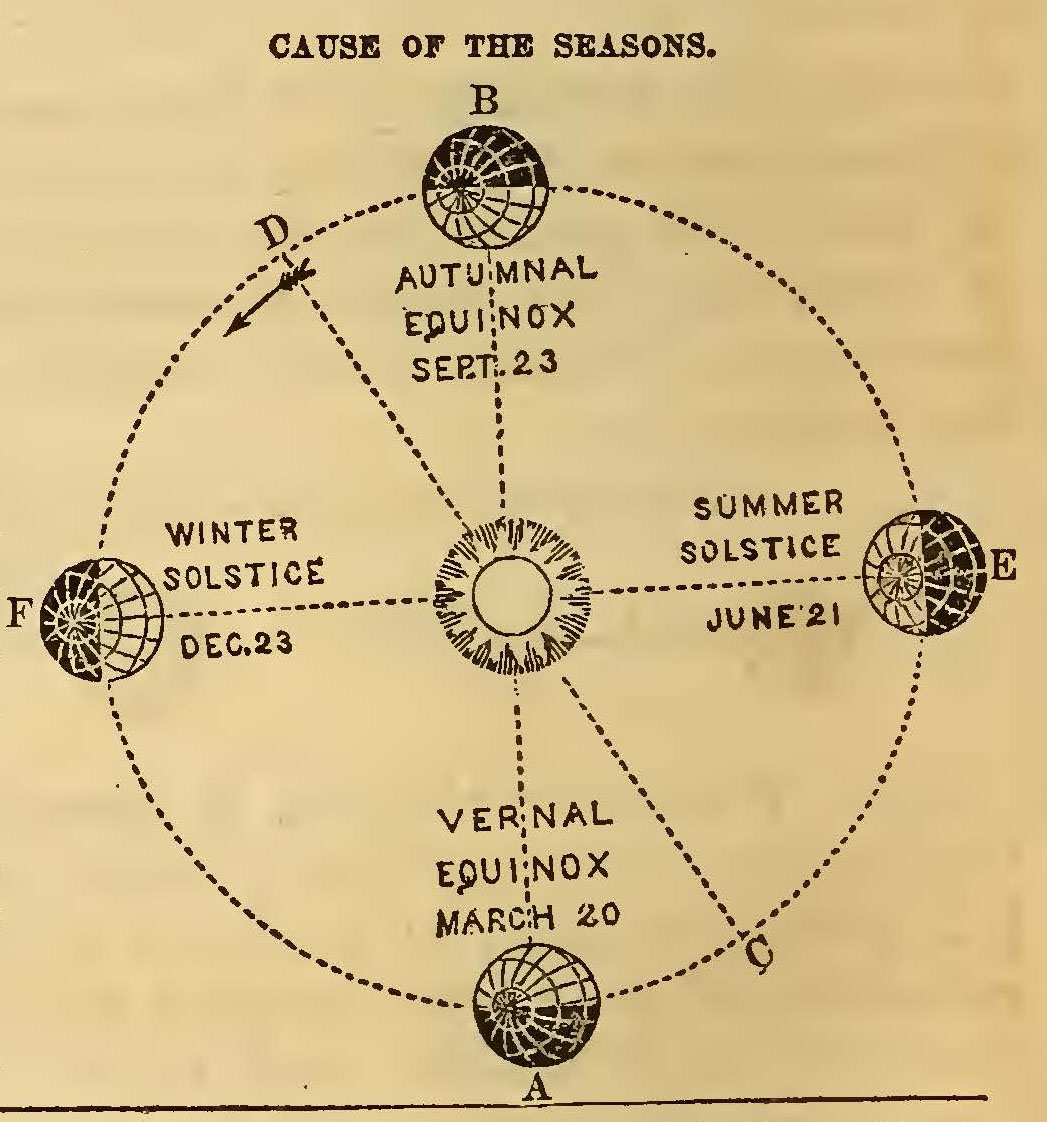
What (on earth) do the seasons of the year have to do with art? you may ask, very reasonably.
Quite a bit, if the art-making is simply too dusty to be done indoors, and intended to be shown at exhibitions with fixed dates.
For the last several years, I've participated in two local exhibitions, both of them in the fall. This has been a mixed blessing. On the one hand, it's given me an opportunity to share my work with the community. On the other, popular art isn't the same as inspired art. I do not aspire to be the McDonald's of North Shore art. And the timing has been unfortunate: I end up rushing to get started on things in the spring, just at the time when many outdoor chores are calling, and there isn't quite enough of me to go around. Everything that must be done gets done, but some things that should be don't. From April through December I feel like I'm running on reserve.
So, this year, I am not working toward participating in the shows. It certainly makes for a more relaxed spring, and I feel that the art that I'm working on is at least as good as it would have been if intended for a broad audience.
Who knows, in the end I may decide to show some of it.
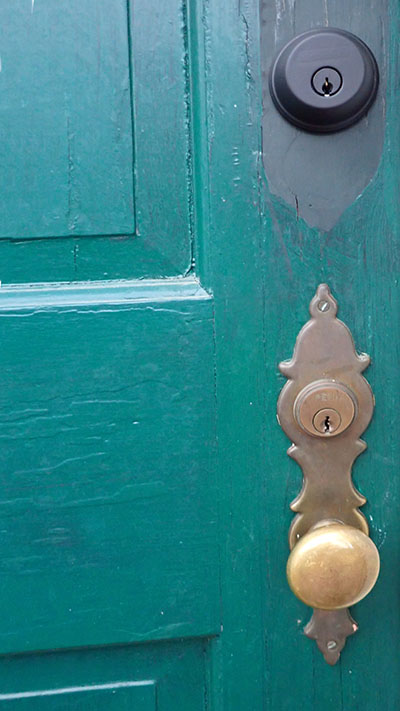
My cars, in recent years, have come with proximity sensors so that they unlock themselves as I approach with the key in my pocket, and lock themselves when I walk away. I have come to appreciate this convenience, especially on cold days when I am wearing gloves and have my hands full of various stuff.
I've tried to find a similar device for the front door of my house, with little success. There are various smart locks, which usually work by having the owner do something with a cell phone. But cell phones are less convenient to carry than keys, are not operable with winter gloves or hands full of groceries, and are far fussier in their maintenance requirements than mechanical keys. You'd think that some enterprising soul would see a marketing opportunity here!
The latest automobile, alas, requires a cell phone for full routine operation. So I've lost that battle. But my reluctant acceptance of the sad reality opens the door (pun intended) to a front door lock that opens when the phone is within Bluetooth range. So far, unlocking has worked very nicely.
I have yet to experiment with automatic locking. It's clearly possible when carrying a cell phone, but there are sometimes when that would be a nuisance or worse – for instance, going outside to shovel snow or do yard work.
No man is an island,
Entire of itself;
Every man is a piece of the continent,
A part of the main.
If a clod be washed away by the sea,
Europe is the less,
As well as if a promontory were:
As well as if a manor of thy friend's
Or of thine own were.
Any man's death diminishes me,
Because I am involved in mankind.
And therefore never send to know for whom the bell tolls;
It tolls for thee.
— John Donne
At this time, we might replace "Europe" with "the Americas" or "man's habitat."
I enjoy reading and I enjoy music. Recently I wanted to order a copy of Philipp Spitta's Johann Sebastian Bach: a, or the, canonical biography of one of the major classical composers. Finding used copies of books in Europe in their original languages has been one of the small joys of my life for many years. Alas, that is not possible now, with the elimination of the de minimis tariff exemption. Eventually, I managed to find a U.S. bookseller who had a few surplus copies of an out-of-print edition from Hamburg.
I doubt my purchase of an out-of-print book in from a small German bookstore would have taken away from American jobs. But xenophobia is thriving. I am a peaceful soul and won't try to combat it. It wouldn't do any good anyway. (The situation does call to my mind the Nazi book-burnings.)
© 2026 Paul Nordberg